A Business Travel Account (BTA) is a centralised payment and expense management solution used by organisations to streamline the booking, tracking, and settlement of business-related travel costs. Instead of relying on multiple employee credit cards or scattered reimbursement claims, the BTA consolidates all travel expenses into one account, making it easier to manage budgets and maintain visibility over spending.
For large corporations and SMEs alike, the BTA offers a structured way to control costs while maintaining flexibility for travellers. Airlines, travel management companies (TMCs), and corporate card providers often partner to offer these accounts, giving businesses tools for more efficient reporting, improved cash flow, and better negotiation power with suppliers.
Why a Business Travel Account Matters for Companies

Corporate travel is one of the largest controllable expenses for many organisations. Without a dedicated system, costs can quickly spiral out of control due to a lack of oversight, inconsistent booking channels, and delayed expense reporting.
A Business Travel Account centralises these processes, ensuring every expense is logged in real-time, invoices are easier to reconcile, and travel policy compliance is improved. This not only reduces administrative strain but also provides data insights that can be leveraged for better procurement decisions and budget forecasting.
Key Features of a Business Travel Account
Centralised Billing for All Travel Expenses
A BTA allows businesses to link all travel bookings to one central account, which the travel provider or card issuer invoices periodically. This eliminates the need for employees to pay upfront and claim later, making the process smoother and faster.
Detailed Reporting and Data Insights
Modern BTAs come with advanced reporting tools that break down travel spend by department, cost centre, traveller, or route. This level of detail empowers decision-makers to identify cost-saving opportunities, optimise travel policies, and negotiate better deals with airlines and hotels.
Flexible Payment Terms and Cash Flow Management
One of the main financial advantages of a BTA is extended payment terms. Instead of settling each booking immediately, businesses typically have up to 30 days (or more) to pay the invoice. This improves liquidity and allows companies to align travel expenses with revenue cycles.
Additionally, avoiding multiple small payments reduces bank transaction fees and administrative work.
Real-World Examples of Business Travel Accounts
British Airways On Business Travel Account
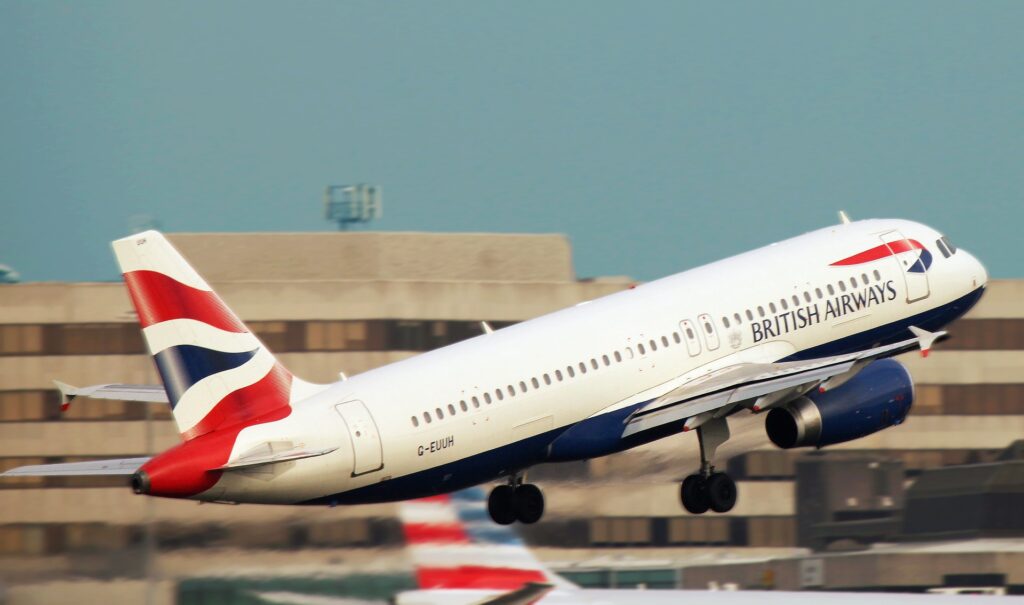
British Airways offers a Business Travel Account tailored to companies that book flights regularly. It allows centralised billing for all BA flights booked through appointed travel agents, providing a single monthly statement for all transactions.
The service integrates with BA’s corporate loyalty programme, On Business, enabling companies to earn points on top of Avios earned by individual travellers. This dual reward structure adds extra value for frequent corporate flyers.
American Express Business Travel Account

American Express provides a globally recognised BTA solution that links directly with travel agencies, allowing organisations to pay for flights, hotels, and other travel costs without issuing individual cards to employees.
Its reporting features are particularly advanced, offering granular data by traveller and cost category. Amex also supports integration with expense management systems, reducing manual reconciliation work for finance teams.
Lufthansa AirPlus Business Travel Account
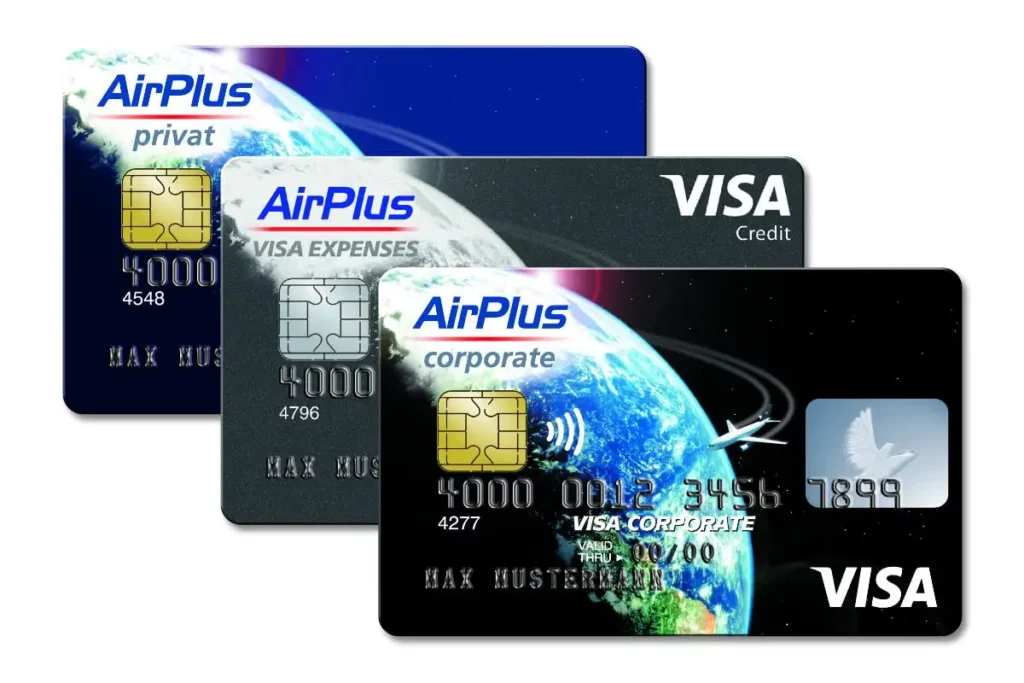
AirPlus, a Lufthansa Group company, offers a BTA that can be used for bookings across multiple travel suppliers, not just Lufthansa. This makes it an ideal choice for multinational corporations with diverse travel needs.
AirPlus is known for its strong data analytics capabilities and its ability to provide detailed VAT-compliant invoices, which are critical for businesses operating across jurisdictions.
Benefits of Using Technology in Business Travel Accounts
Modern Business Travel Accounts (BTAs) have evolved far beyond simple centralised billing systems. By integrating advanced technology, they transform travel management into a highly efficient, data-driven process that benefits finance teams, travel managers, and travellers alike.
One of the most significant advantages of technology-driven BTAs is real-time visibility into travel spend. Instead of waiting for monthly invoices to understand cost patterns, finance departments can monitor transactions as they happen. Cloud-based systems mean these tools are accessible anywhere, ensuring smooth coordination for companies operating across multiple locations or time zones.
Enhanced Data Analytics for Better Decision-Making
Advanced BTAs use built-in analytics engines to track and interpret spending patterns. They can break down expenses by traveller, department, supplier, or travel type, helping companies pinpoint areas for savings. Some systems even offer predictive analytics, allowing businesses to forecast travel costs based on historical data and seasonal patterns.
For example, if data shows that most last-minute bookings cost 40% more than planned, companies can adjust travel policies or negotiate fixed rates with suppliers to control costs.
Integration with Travel Management and Booking Tools
Technology-driven BTAs can integrate directly with corporate booking platforms and travel management companies. This means that approved itineraries, negotiated rates, and policy guidelines are automatically applied during the booking process. Employees are guided toward compliant, cost-effective choices without needing manual oversight.
Such integration also improves traveller safety, as real-time tracking of itineraries allows companies to assist employees in case of travel disruptions or emergencies.
Improved Fraud Prevention and Policy Compliance
Modern BTA platforms use AI and machine learning to detect irregular spending patterns that may indicate fraud or misuse. They can flag duplicate bookings, unusually high expenses for similar trips, or transactions outside of approved locations.
Additionally, by enforcing policies at the point of purchase, BTAs help maintain high compliance rates. This not only saves money but also ensures consistency in corporate travel experiences.
Common Use Cases and Problem-Solving Scenarios
Managing Multi-Department Travel Spend
Large organisations with multiple departments often struggle to keep track of who is booking what. A BTA allows for departmental cost allocation while still maintaining overall control at the corporate level. This solves the problem of fragmented reporting and overspending in certain areas.
Improving Compliance with Travel Policies
When employees book outside approved channels, costs increase and policy compliance drops. A BTA integrated with an approved travel management company enforces policy at the time of booking, preventing out-of-policy purchases before they occur.
Reducing the Burden on Travellers
Without a BTA, employees often have to pay out-of-pocket for flights or hotels, then wait weeks for reimbursement. This can be a financial strain and a source of frustration. A BTA removes this burden, as the company handles all payments directly.
FAQ
1. Is a Business Travel Account suitable for small businesses?
Yes, although BTAs are often associated with large corporations, small and medium-sized businesses can also benefit from centralised travel billing, improved cash flow, and enhanced reporting.
2. Can a BTA be used for international travel bookings?
Absolutely. Most BTAs work globally, especially those offered by major airlines and payment providers. This makes them ideal for companies with multinational operations.
3. How is a BTA different from a corporate credit card?
While a corporate credit card is issued to individual employees, a BTA is a centralised account used for all travel bookings. It doesn’t require issuing physical cards and is often linked directly to travel agencies or booking platforms for streamlined payment processing.