A Business Travel Account (BTA) is a centralized payment and accounting system designed for companies to manage travel-related expenses more efficiently. Instead of each employee handling their travel payments, a BTA consolidates these transactions into a single account, streamlining cost management and providing a clear audit trail.
In the modern corporate world, where travel is often essential for operations, BTAs have become a preferred method for managing the complexity of flights, hotel stays, transportation, and other trip-related costs. They also reduce the administrative workload and help organizations maintain better financial oversight.
How Business Travel Accounts Work
A BTA functions as a centralized billing system provided by banks or corporate travel agencies. When an employee books travel through the company’s preferred travel management provider, the expenses are charged to the BTA instead of a personal or corporate credit card.
At the end of a set billing cycle, often monthly, the company receives a consolidated invoice listing all transactions. This approach simplifies reconciliation, eliminates the need for individual reimbursements, and provides better control over spending policies.
Key Features of a Business Travel Account
Centralized Billing
One of the most prominent features of a BTA is the ability to group all travel-related charges under a single account. This prevents the need to track multiple invoices from different employees.
Detailed Reporting
BTAs typically come with robust reporting tools. These allow finance teams to view expenses by traveler, trip type, department, or destination, providing data that can help refine travel budgets and policies.
Simplified Reconciliation
Instead of processing dozens or even hundreds of reimbursement requests, accounting teams handle just one consolidated bill, significantly reducing processing time.
Benefits of Using a Business Travel Account
A Business Travel Account (BTA) is more than just a payment tool; it’s a strategic asset for organizations that regularly send employees on work trips. By consolidating payments and providing detailed expense visibility, a BTA addresses many of the pain points associated with corporate travel management. These benefits extend beyond cost control, influencing operational efficiency, compliance, and even employee satisfaction.
Improved Financial Control
Without a BTA, corporate travel expenses are often spread across multiple payment methods—personal credit cards, petty cash, and departmental budgetsmaking it challenging to maintain clear oversight. This fragmented approach can hide spending patterns, delay reporting, and result in budget overruns.
Reduced Administrative Burden
Processing traditional travel reimbursements is time-consuming and resource-intensive. Employees must collect receipts, fill out expense reports, and wait for approvals, while finance teams spend hours reviewing documentation and matching charges to policies.
Better Negotiation Power with Vendors
Travel vendors, such as airlines, hotel chains, and car rental companies, are more likely to offer competitive rates to organizations that can demonstrate consistent, high-volume business. However, without a centralized record of travel spending, proving that volume can be difficult.
Enhanced Employee Experience
Traveling for work can be stressful, especially when employees are required to use their own money and wait weeks to be reimbursed. This can create unnecessary financial strain and reduce morale, particularly for frequent travelers.
Streamlined Policy Compliance
Corporate travel policies exist to ensure spending stays within approved limits and that bookings meet operational requirements. However, enforcing these policies can be challenging when employees book travel independently.
Real-Time Data and Analytics
Modern BTAs often come with built-in analytics tools that allow businesses to monitor travel spending in real time. This is especially useful for organizations that need to adjust travel plans quickly due to changing budgets, market conditions, or operational needs.
Real-World Examples of Business Travel Account Solutions
American Express Business Travel Account

The American Express BTA is a well-known solution offering centralized billing and comprehensive reporting for companies. It integrates with major travel booking platforms, enabling businesses to track costs in real time. Its reporting tools allow finance teams to analyze trends, helping optimize travel budgets and vendor agreements.
AirPlus Business Travel Account
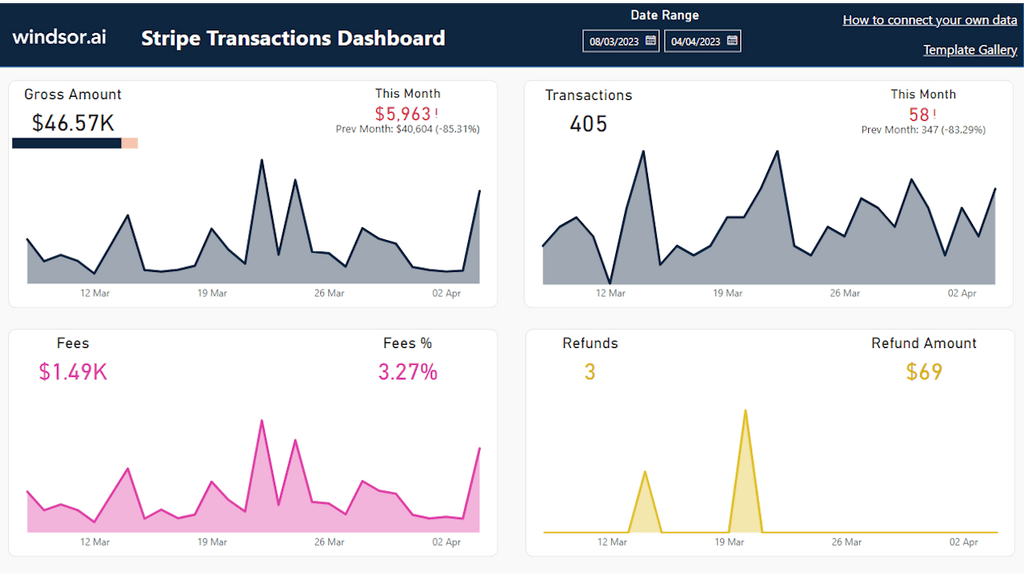
AirPlus provides a BTA that focuses heavily on analytics and global reach. It is particularly useful for multinational corporations needing multi-currency support and integration with global travel management systems. AirPlus also offers carbon footprint tracking for environmentally conscious companies.
U.S. Bank Business Travel Account
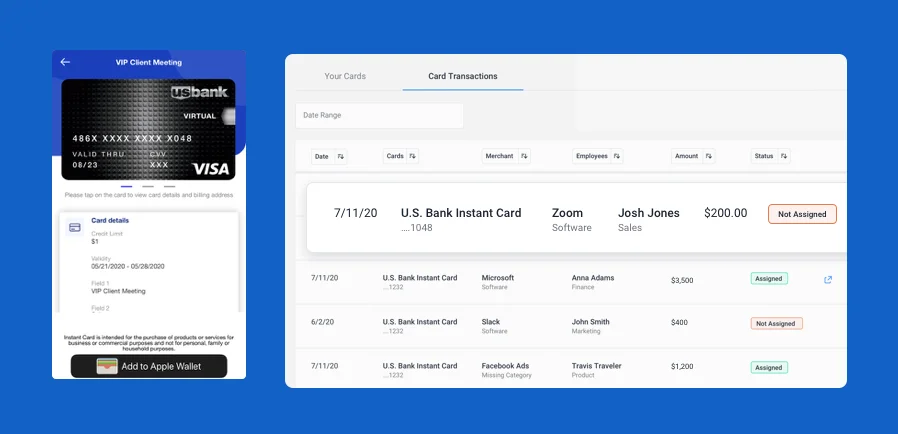
The U.S. Bank BTA is designed to streamline the payment process between corporations and travel agencies. It supports automated reconciliation, eliminating manual data entry. Its advanced security features also ensure sensitive travel and financial information stays protected.
Barclays Business Travel Account
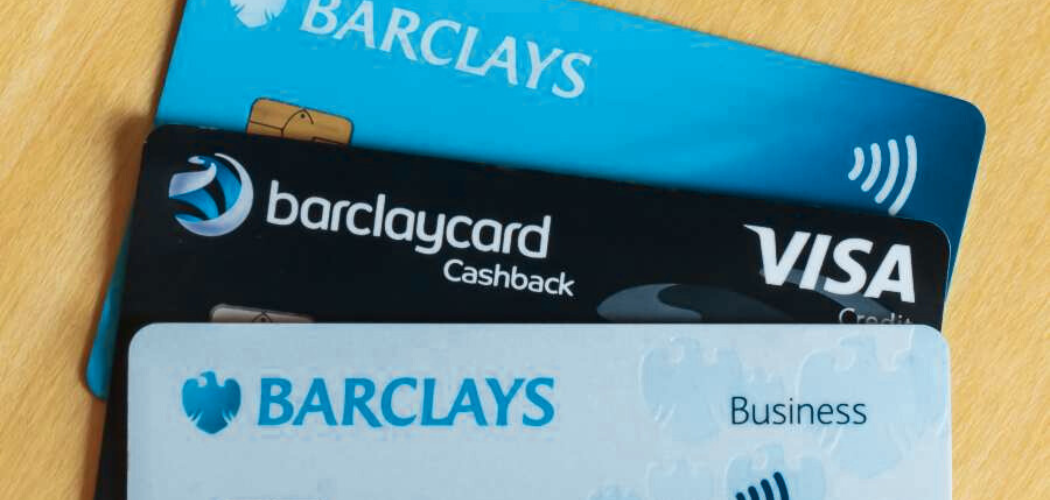
Barclays BTA is widely used in the UK and Europe. It offers competitive transaction fees and works closely with travel management companies to ensure seamless integration. The system allows flexible payment terms, helping companies manage cash flow efficiently.
Practical Use Cases for Business Travel Accounts
Managing Global Conference Attendance
When a company sends dozens of employees to an international conference, tracking each booking individually is a nightmare. A BTA allows all those expenses flights, hotels, and transfers, to be charged to one account, simplifying reconciliation.
Coordinating Multi-Department Travel
If multiple departments are traveling for different purposes, a BTA can still keep expenses separated in reports while maintaining centralized payment processing.
Streamlining Emergency Travel
In urgent situations where employees must travel on short notice, a BTA removes the need for pre-approvals on personal cards, ensuring quick bookings and avoiding delays.
Benefits of Using Technology in Business Travel Accounts
The integration of technology in BTAs has transformed corporate travel management.
Real-Time Expense Tracking
Modern BTAs integrate with travel booking systems to provide live updates on expenses, allowing finance teams to monitor budgets instantly.
Automated Policy Compliance
Systems can flag non-compliant bookings before they are finalized, helping enforce corporate travel policies without manual intervention.
Advanced Analytics
AI-driven analytics can predict future travel costs, highlight cost-saving opportunities, and help organizations make data-driven decisions.
Common Challenges and How BTAs Solve Them
In the fast-moving world of corporate travel, organizations face several recurring problems when it comes to managing expenses, compliance, and reporting. Traditional processes often dependent on personal credit cards, reimbursement systems, and manual reporting can quickly become inefficient and error-prone. This is where Business Travel Accounts (BTAs) prove their value, offering a centralized, automated, and transparent way to handle these issues.
Multiple Expense Reports and Complex Reconciliation
When employees use personal funds or separate corporate cards for travel, the finance team must process each expense report. This involves verifying receipts, checking compliance with travel policy, matching charges to trips, and eventually issuing reimbursements.
The problem worsens when dozens or even hundreds of employees are traveling in a given month. Each report might have varying formats, different currencies, and incomplete documentation, making the reconciliation process slow and prone to human error.
How BTAs Solve This:
A BTA centralizes all travel charges into a single, consolidated account. Instead of dozens of individual reports, finance teams receive one detailed invoice that already lists each traveler, destination, and service booked. This drastically reduces reconciliation time, cuts down on mistakes, and ensures consistent reporting formats.
Lack of Spending Visibility
Without a centralized payment system, it’s difficult to get a clear picture of company-wide travel spending. Costs are scattered across various payment methods and reported at different times, making it almost impossible to analyze patterns, identify cost overruns, or negotiate better deals with vendors.
How BTAs Solve This:
A BTA provides detailed reporting dashboards that break down expenses by traveler, department, project, or location. This real-time data gives decision-makers the visibility they need to make informed choices—such as switching to more cost-effective airlines or renegotiating hotel contracts based on actual usage.
Delayed Employee Reimbursements
In traditional setups, employees often have to pay for business trips upfront, sometimes running into thousands of dollars, then wait weeks or even months for reimbursement. This not only strains employees’ finances but also leads to dissatisfaction and lower morale.
How BTAs Solve This:
By charging all travel expenses directly to the company’s BTA, employees never have to spend their own money. There’s no need for them to submit reimbursement claims, and the finance team doesn’t have to process them, creating a win-win for both sides.
Policy Compliance Issues
Corporate travel policies exist to control costs and ensure fair usage of company funds. However, when employees book independently using personal payment methods, they may inadvertently book non-compliant travel, such as premium class flights when not authorized, or accommodations above the permitted budget.
How BTAs Solve This:
BTAs are usually integrated with the company’s travel management platform, which can be configured to automatically flag or block non-compliant bookings before they are finalized. This proactive approach enforces policy compliance at the point of booking, rather than relying on post-trip audits.
Inefficient Vendor Payments
Companies working with multiple travel vendors, such as airlines, hotels, and car rental companies, often have to process numerous separate invoices and payments. This creates inefficiencies, increases banking transaction costs, and requires more administrative oversight.
How BTAs Solve This:
A BTA consolidates all vendor charges into one payment to the travel management company or issuing bank. This streamlining not only reduces the number of financial transactions but also strengthens vendor relationships, as payments are handled faster and more reliably.
Frequently Asked Questions
1. What is the main purpose of a Business Travel Account?
A BTA is designed to centralize and streamline payment for corporate travel expenses, improving financial control and reducing administrative work.
2. Do small businesses benefit from BTAs?
Yes, even small businesses can benefit if they have regular travel needs, as it simplifies cost tracking and enhances financial oversight.
3. Is a BTA the same as a corporate credit card?
No. While both are corporate payment solutions, a BTA is specifically for travel-related expenses and is billed to the company as a consolidated account rather than to individual cards.