A company travel card is a specialized payment card issued to employees for covering business-related travel expenses. These cards are designed to streamline expense tracking, improve financial transparency, and often come with travel-related perks such as insurance, discounts, and reward programs. Unlike personal credit cards, a company travel card is linked directly to a corporate account and is managed under the company’s travel and expense policy.
The main purpose of a company travel card is to centralize and control travel spending while reducing administrative work. Companies issue these cards to employees who frequently travel for work, whether for client meetings, conferences, or site visits. The card ensures expenses are recorded accurately and reimbursed quickly without employees using their funds.
How Company Travel Cards Work
When a company issues a travel card, it sets specific spending limits, usage rules, and reporting requirements. Employees use the card for authorized travel expenses such as flights, hotels, car rentals, and meals. Transactions are automatically recorded and categorized through the card’s expense management system.
At the end of each billing cycle, the company receives a consolidated statement detailing all charges. Many providers also integrate directly with corporate expense software, making reimbursement and reporting seamless. This system eliminates the need for employees to submit receipts manually for every transaction, saving time and reducing paperwork.
Benefits of Using Technology with Company Travel Cards
Modern company travel cards are not just payment tools; they are also technology-enabled expense management systems. The integration of mobile apps, AI-based fraud detection, and real-time reporting features has transformed how businesses manage travel spending.
For example, cardholders can access a mobile app to view their transactions instantly, categorize expenses, upload digital receipts, and receive alerts for unusual spending patterns. Finance teams can log in to the backend dashboard to track spending trends, identify cost-saving opportunities, and ensure compliance with corporate policies. This level of automation significantly reduces human error and speeds up the reconciliation process.
Real-World Example Products
American Express Corporate Travel Card
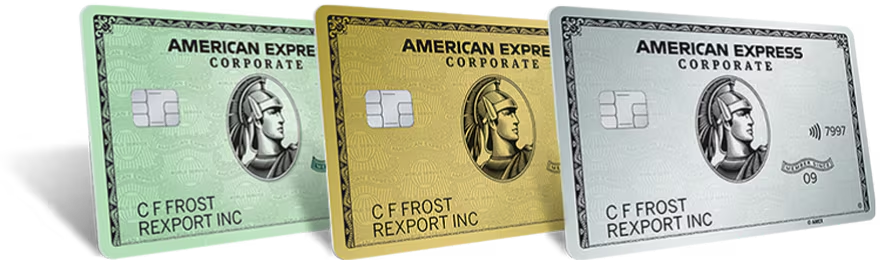
The American Express Corporate Travel Card is a widely recognized option for large and mid-sized businesses. It offers travel accident insurance, access to global emergency assistance, and an advanced expense reporting platform. One of its standout features is integration with American Express @Work, a tool that provides finance managers with detailed reporting and spending analytics. This is especially useful for multinational companies managing teams in different countries.
The card’s global acceptance ensures employees can use it almost anywhere, and the built-in fraud protection system safeguards against unauthorized transactions. For frequent international travelers, American Express also offers rewards on airfare, hotel stays, and dining, which can be redeemed for future business trips.
Mastercard Corporate Travel Card
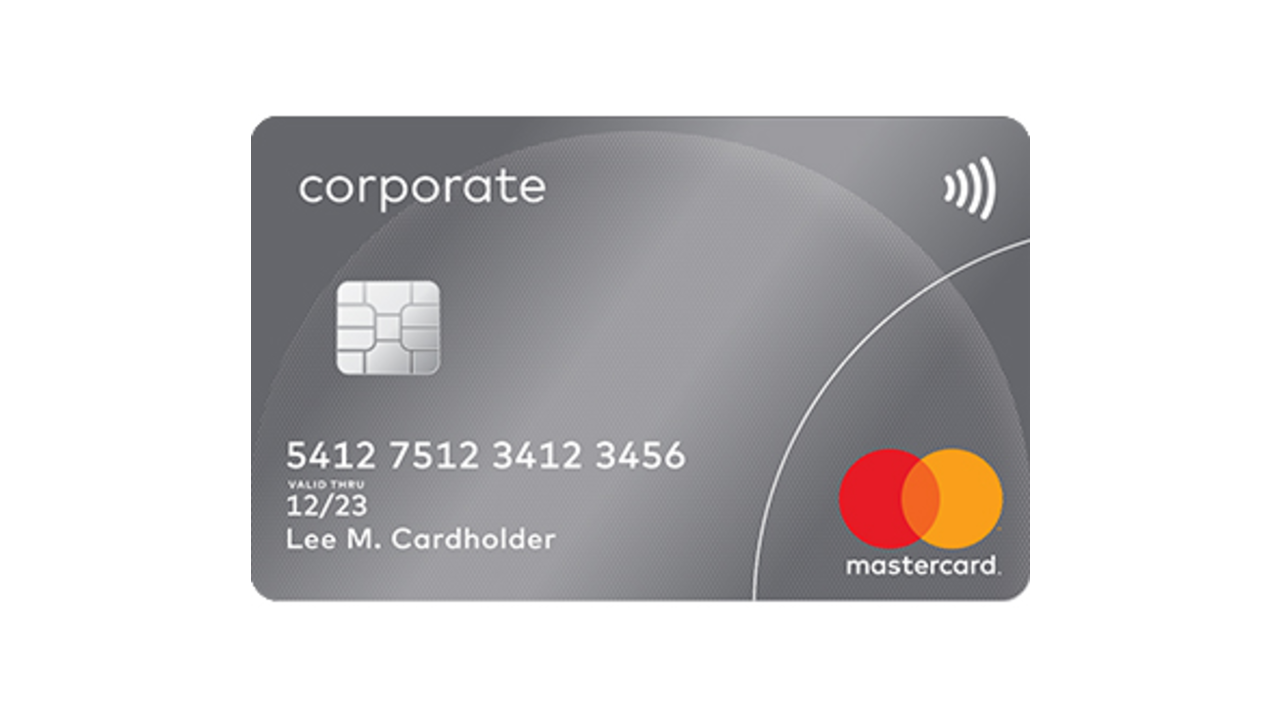
The Mastercard Corporate Travel Card is favored for its global network and strong security features. It provides 24/7 customer service, travel assistance, and expense reporting integration with major accounting platforms. Mastercard also offers corporate liability protection, meaning companies are not held responsible for unauthorized charges made by employees if reported promptly.
One of its key benefits is the Smart Data platform, which enables detailed reporting by department, project, or location. This allows finance teams to quickly identify spending trends and make informed budgeting decisions. The card also comes with travel perks such as car rental discounts and hotel booking benefits.
Visa Business Travel Card
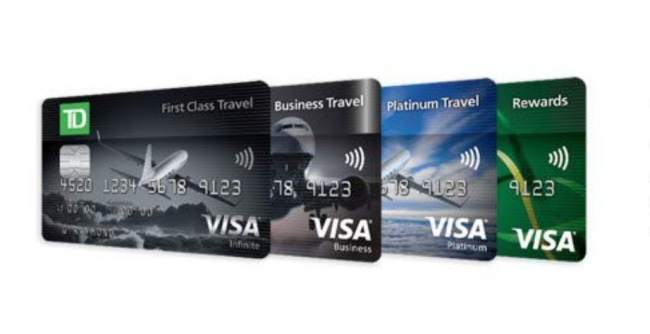
The Visa Business Travel Card caters to small and medium-sized enterprises looking for flexibility and cost control. Visa’s platform supports real-time transaction alerts, digital receipt capture, and integration with expense management software. This card is ideal for companies with distributed teams, as it provides consistent expense tracking regardless of employee location.
Visa also offers its Visa IntelliLink Spend Management system, which helps businesses analyze spending patterns, ensure compliance with corporate policies, and identify areas where travel costs can be reduced. The card includes emergency cash disbursement services, making it a reliable tool during unexpected travel situations.
Benefits of a Company Travel Card for Businesses
A company travel card brings numerous advantages beyond simple payment convenience. First, it streamlines expense tracking, reducing the administrative workload for both employees and finance departments. This leads to faster reimbursements and fewer disputes over travel costs.
Second, these cards improve cash flow management. Since expenses are billed to the company account, employees don’t have to use personal funds and wait for reimbursement. This is particularly valuable for employees who travel frequently or for extended periods.
Third, corporate travel cards often come with exclusive travel perks such as airport lounge access, travel insurance, and negotiated hotel rates. These benefits not only enhance employee comfort but also result in significant cost savings for the company over time.
How a Company Travel Card Solves Business Problems

One common problem businesses face is delayed expense reporting. With a travel card, every transaction is automatically logged, eliminating the need for employees to manually submit every receipt. This speeds up the reporting cycle and ensures greater accuracy.
Another issue is budget control. By setting spending limits and category restrictions, companies can prevent overspending and ensure travel policies are followed. This is particularly useful for managing large teams or multiple travel projects simultaneously.
A third use case is improved vendor negotiations. Companies with consolidated travel spending data can leverage this information to negotiate better rates with airlines, hotels, and car rental companies, ultimately reducing travel costs across the organization.
Common Challenges and How to Overcome Them
While company travel cards provide many benefits, there are challenges to consider. Some employees may misuse the card for personal expenses, requiring clear guidelines and monitoring systems. Finance teams must establish robust auditing procedures to detect and address policy violations quickly.
Another challenge is managing multiple cardholders across departments or regions. The solution lies in choosing a provider with strong reporting tools and centralized account management features. With the right system in place, companies can maintain control while giving employees the flexibility they need.
FAQs
1. Can a company travel card be used for personal expenses?
Generally, no. Company travel cards are intended strictly for business-related expenses as outlined in the company’s travel policy. Any personal charges may result in disciplinary action and will likely require reimbursement to the company.
2. Are company travel cards only for large corporations?
No. While large companies are common users, small and medium-sized businesses can also benefit from corporate travel cards. Many providers offer scalable solutions to suit the size and budget of different organizations.
3. What happens if a company travel card is lost or stolen?
Most corporate card providers offer 24/7 support for lost or stolen cards, along with zero-liability fraud protection. Replacement cards can often be issued quickly, ensuring minimal disruption to business travel plans.