A travel card for business is a specialized financial tool designed to help companies and entrepreneurs manage expenses incurred during work-related travel. Unlike standard personal credit cards, these cards come with features tailored for corporate needs such as central billing, detailed expense tracking, higher reward rates for travel-related purchases, and business-specific insurance protections.
Business travel cards can be issued to individual employees or used centrally for booking flights, accommodations, and other travel essentials. This allows companies to keep tighter control over expenses while also reaping benefits like loyalty points, miles, or cash back that can be reinvested into the business.
Why Businesses Need a Dedicated Travel Card
Corporate travel involves multiple moving parts: booking transportation, securing accommodations, paying for meals, and managing incidentals. Without a dedicated travel card, expenses can quickly become scattered and harder to track.
A travel card consolidates these costs into a single account, making it easier for finance teams to monitor spending, identify savings opportunities, and prepare expense reports. It also streamlines reimbursement processes, reducing the administrative burden for both employees and accounting departments.
Key Features to Look for in a Travel Card for Business
Choosing the right travel card for business isn’t just about picking the one with the highest advertised rewards; it’s about aligning the card’s features with your company’s operational needs, travel patterns, and financial management strategy. Below are the most important factors to evaluate before committing to a card.
Reward Structure Tailored to Travel Spending
One of the primary reasons companies choose a travel card is to earn rewards from their business trips. The best cards offer elevated earning rates for flights, hotels, and car rentals, while still providing decent returns for dining and other travel-related categories. For example, if your employees frequently fly with a specific airline alliance, choosing a card that earns transferable points or miles within that network maximizes the value of your travel budget.
Beyond just the earn rate, it’s important to look at redemption flexibility. Some cards only allow points to be redeemed through their travel portal, while others let you transfer them to multiple loyalty programs, offering more booking freedom and potential for higher value per point.
Comprehensive Expense Tracking and Reporting Tools
A business travel card should go beyond payment processing; it should function as a financial control system. Many top-tier cards provide digital dashboards that categorize expenses in real-time, allow integration with accounting software, and generate downloadable reports for easy reconciliation. This feature is particularly useful for companies that need to enforce strict travel policies, monitor compliance, and spot irregularities before they become costly.
Real-time alerts, customizable spending limits, and the ability to issue virtual cards for one-time transactions are also highly valuable for keeping spending in check while accommodating the flexibility travel requires.
Strong Travel Protection and Insurance Benefits
Unforeseen events such as flight cancellations, lost baggage, or medical emergencies can quickly turn a business trip into a costly problem. A robust business travel card should include built-in insurance coverage, such as:
-
Trip cancellation or interruption insurance
-
Lost luggage reimbursement
-
Emergency medical and evacuation coverage
-
Travel accident insurance
Not only do these protections save money in emergencies, but they also give traveling employees peace of mind, allowing them to focus on work rather than logistics.
Global Acceptance and Low Foreign Transaction Fees
For companies conducting international business, a travel card must be globally accepted and ideally free from foreign transaction fees. Even a 3% fee on every overseas purchase can add up quickly if your team travels abroad frequently.
Additionally, cards that partner with major payment networks (Visa, Mastercard, or Amex) and have strong acceptance rates in your most visited countries ensure fewer payment disruptions while on the road.
Airline and Hotel Partner Perks
Some business travel cards come with preferred partnerships that unlock valuable perks like priority boarding, free checked bags, hotel room upgrades, and late checkout. For frequent travelers, these benefits not only enhance comfort but can also improve productivity less time spent in lines and more time focused on work.
If your company has a preferred airline or hotel chain, selecting a card that aligns with that brand can result in deeper discounts, bonus rewards, and VIP treatment.
Real-World Examples of Business Travel Cards
American Express Business Platinum Card
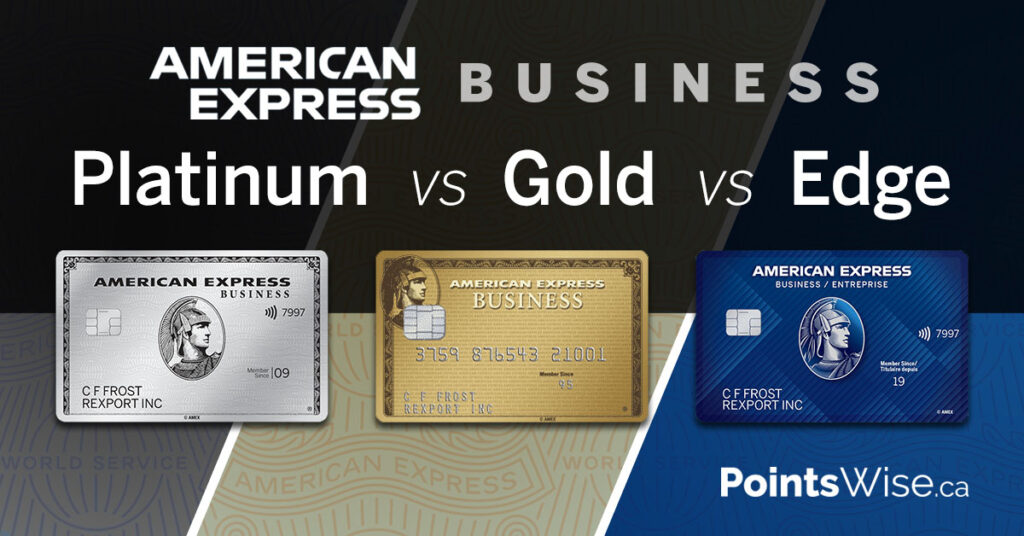
It offers high reward rates on flights and prepaid hotels booked through Amex Travel, along with perks such as airport lounge access, elite hotel status, and dedicated travel concierge services.
This card’s reporting tools make it easy for finance teams to analyze spending patterns and adjust travel policies for cost efficiency. For businesses with frequent international travel, the card’s lack of foreign transaction fees can result in significant savings.
Chase Ink Business Preferred Credit Card
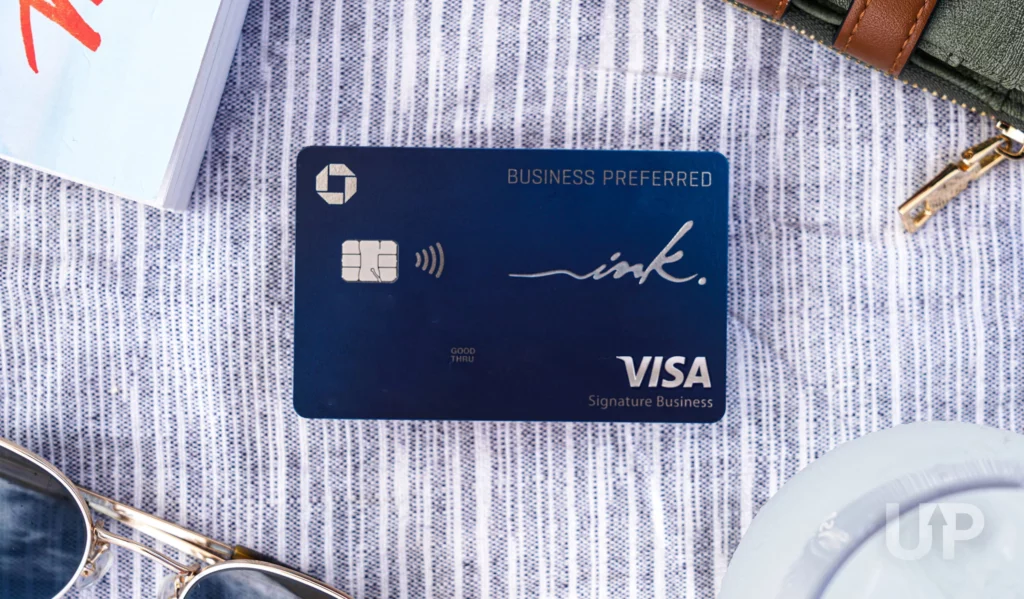
The Chase Ink Business Preferred is a versatile option that delivers substantial rewards on travel purchases, as well as on other business categories like shipping and internet services. Its points are highly flexible, allowing for redemption through Chase Ultimate Rewards or transfer to multiple airline and hotel partners.
The card also includes robust travel insurance coverage, making it a reliable choice for companies seeking both financial and operational protection during trips.
Capital One Spark Miles for Business
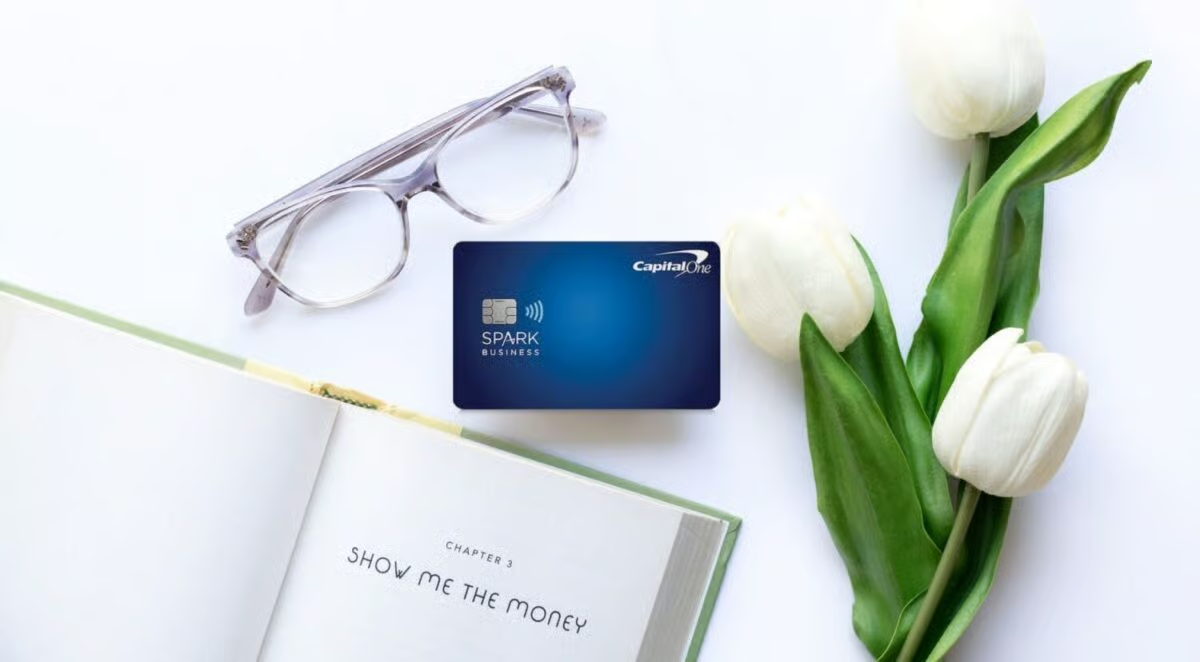
Capital One Spark Miles offers a straightforward rewards system, earning miles on every purchase without category restrictions. This is ideal for businesses with varied travel expenses that don’t always fall neatly into traditional travel categories.
One of its biggest advantages is the ability to transfer miles to over 15 travel loyalty programs, giving businesses flexibility when booking trips. It also offers travel accident insurance and extended warranty protections, adding extra value.
Benefits of Using Technology with a Travel Card for Business
Modern travel cards are more than just payment tools they are integrated technology solutions for corporate expense management. Many come with online dashboards, mobile apps, and API integrations that sync directly with accounting systems.
For example, automated transaction categorization saves hours of manual bookkeeping. Real-time spending alerts prevent unauthorized transactions, while mobile receipt capture ensures compliance with expense reporting policies. These features not only save time but also provide actionable insights that can lead to smarter budgeting and travel decisions.
Practical Use Cases for a Travel Card for Business
Centralizing Company Travel Expenses
For a consulting firm with teams constantly traveling to client sites, a business travel card can consolidate all airfare, lodging, and meal expenses into one account. This enables the finance department to quickly generate monthly reports, identify high-cost vendors, and negotiate better rates with hotels or airlines.
Maximizing Rewards to Reduce Future Travel Costs
A startup expanding into international markets can use a travel card to accumulate miles from frequent overseas trips. These miles can then be redeemed for future flights, effectively lowering the company’s travel budget without sacrificing travel frequency or quality.
Enhancing Employee Convenience and Safety
A company sending staff to remote locations can issue travel cards to cover on-the-ground expenses. This reduces the need for employees to use personal funds, minimizes reimbursement delays, and ensures they have access to emergency funds if needed.
Advantages of a Business Travel Card in Daily Operations
The practical benefits of a business travel card extend beyond just travel. For example, a card with high reward rates on dining can make client dinners more cost-effective. Cards with purchase protections and extended warranties also benefit companies making equipment purchases during travel.
Additionally, travel cards with built-in foreign exchange benefits make international transactions more predictable and transparent, reducing financial surprises for both the business and its employees.
FAQs
1. Can small businesses benefit from a travel card even if they don’t travel often?
Yes. Many business travel cards offer rewards for other categories like office supplies, advertising, and dining. Even without frequent travel, points can be redeemed for business-related purchases or occasional trips.
2. What’s the difference between a business travel card and a corporate card?
A business travel card is typically issued to small and medium-sized enterprises, often requiring a personal guarantee from the owner. A corporate card is issued to larger organizations with established revenue and typically doesn’t require a personal guarantee.
3. Are business travel card rewards taxable?
Generally, rewards earned from business spending are not considered taxable income for the business. However, it’s important to consult with a tax professional for guidance based on your jurisdiction.